

Follow the Breadcrumbs
Why the thing that keeps coming back is probably the thing you’re meant to do

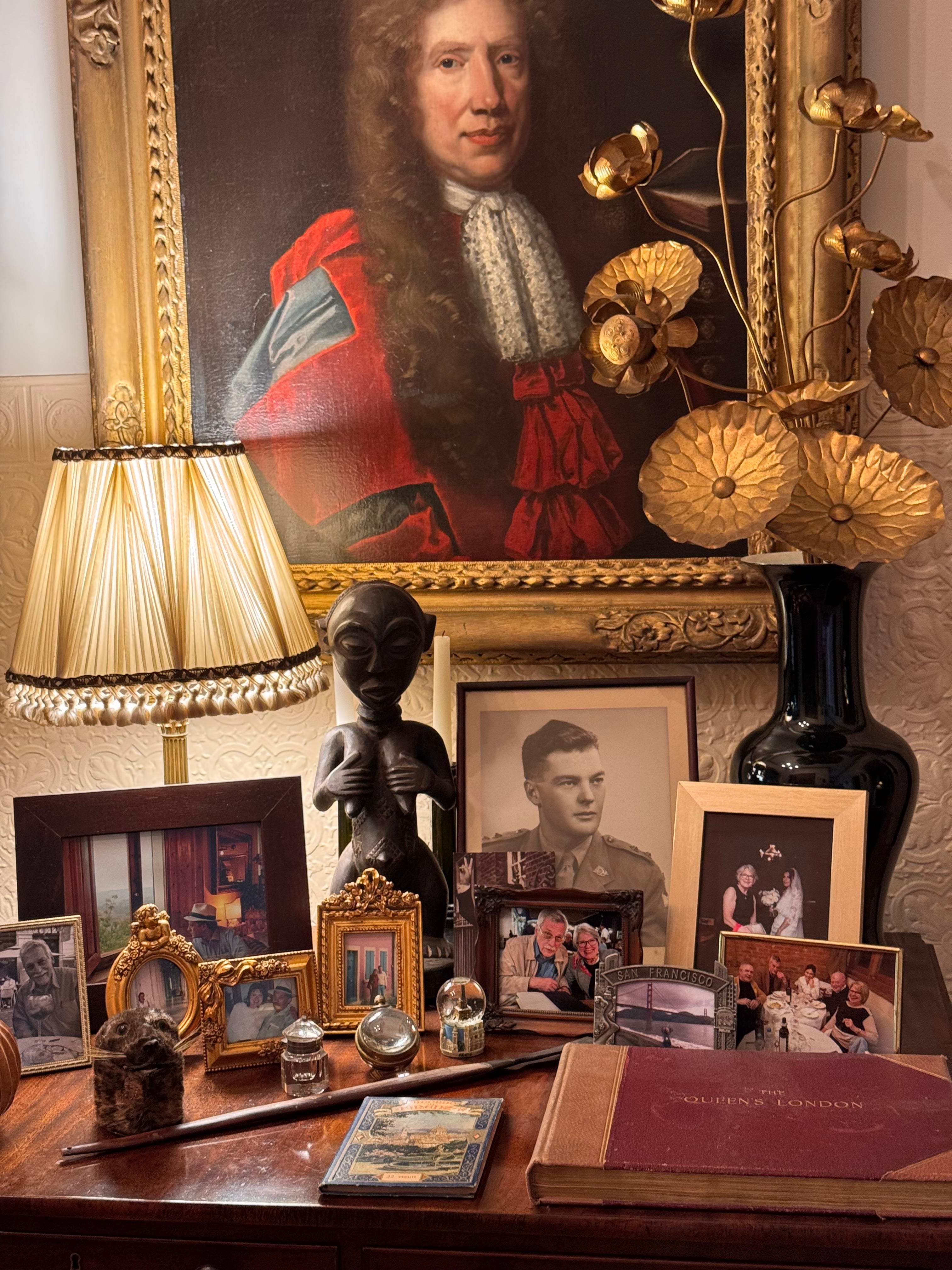
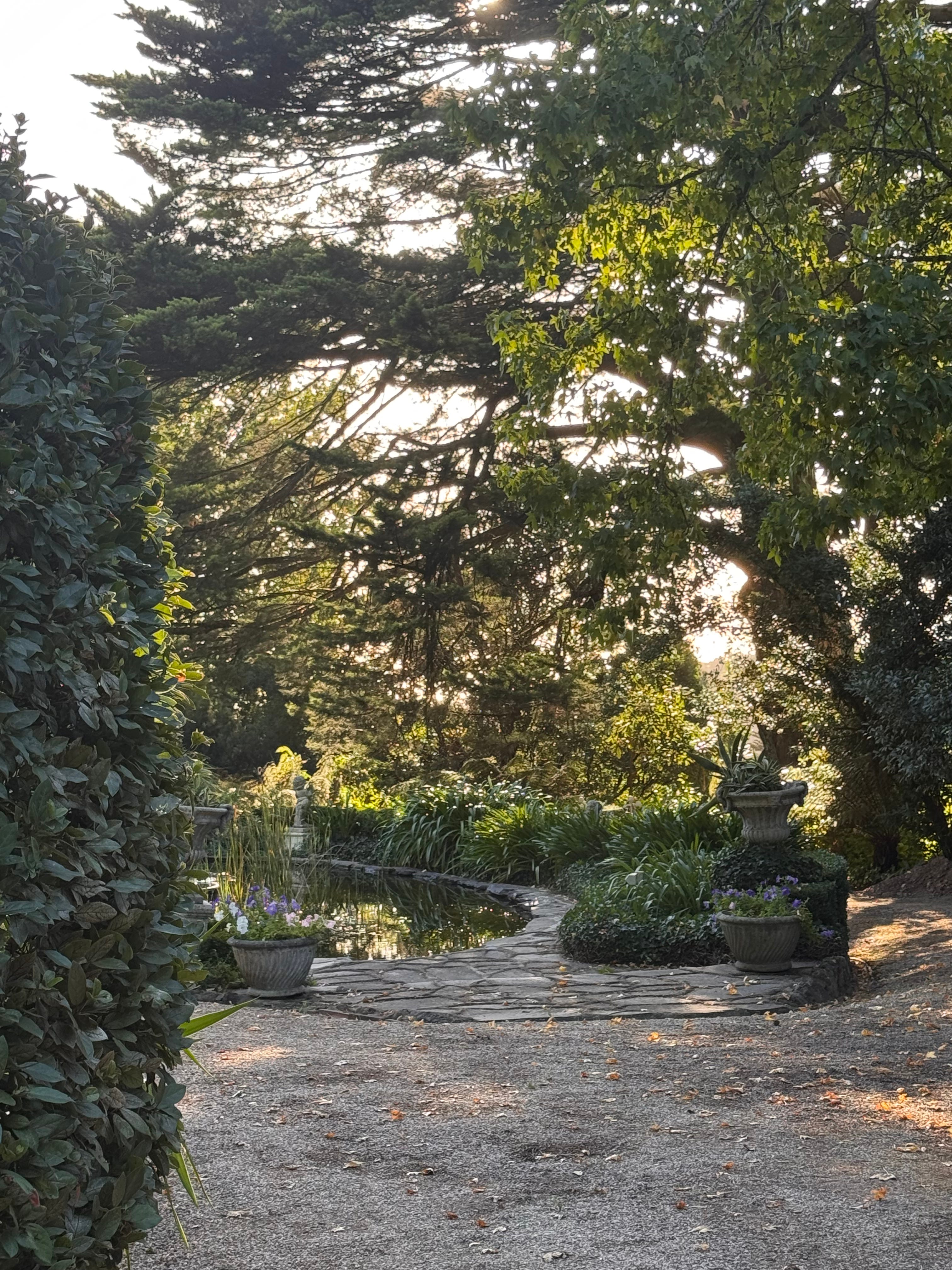
Kinclaven is my parents' home in Australia, a place they have cared for with an attentiveness that is almost devotional. Every time I returned, I saw the evidence of it: the way nothing had been let go, the way things had actually been improved in my absence. So when I walked back in after several years away, what stopped me in the doorway caught me off guard. My parents had seen to everything, as they always do. But the house felt old. Really old. A heaviness had settled into it that I could feel before I could explain, as if the years had been slowly absorbed into the walls and were finally asking to be noticed
Back in 2004, Australian director Paul Cox, filmed Human Touch at Kinclaven, a memory I had always held with a certain fondness, the house lending itself to something human and alive. So when I arrived to find a new crew moving in many years later, production on a film due for release next year already underway during our visit, there was a logic I could follow even if the timing felt crowded. My parents had graciously agreed to it, and by any practical measure, everything was in order. What none of us had planned for was that the moment we landed from Canada and got home, my mother had a terrible fall down the stairs and needed to be rushed to hospital. She is absolutely fine now, and I am more grateful for that than I can adequately say, but it was a great deal for one house to absorb: a recovery unfolding in one part of it and a film production running in another. The film itself was, to put it gently, not the kind of thing Kinclaven usually accommodates. Something dark, cult-forward, strange in its energy. The warmth and continuity the house had always carried, the comfort of a family that has loved a place for a long time, had been pulled in several directions at once. Some things settle into spaces and remain long after the people who brought them have gone.
I called in a specialist to do a land and space clearing. Which, I realise, if you have been following my recent essays, might confirm your suspicion that I have either entered a midlife crisis, gone completely mad or abandoned reason entirely. Fair enough. I have been writing about human design, oracle cards, astrology… I understand the read. But stay with me here, because what the clearing gave me had nothing mysterious about its outcome, only its method. What it actually gave me was something closer to reflection than revelation: a mirror turned toward what I had been choosing to look past.
Even with a visit that had been chaotic and full from the moment we landed, I found small moments in the day to do something I am not very good at. I sat still and listened. Not to podcasts or plans or the urgent logistics of everything waiting to be done, but to the actual texture of my own life: what was fitting, what no longer was, what I had been carrying past its useful point and what I was not yet ready to set down. It is a harder exercise than it sounds. We are extraordinarily skilled at filling silence before it can tell us anything.
What surfaced was not a surprise, exactly. More like a recognition. A truth I had been living alongside but had not yet chosen to look at square on. Something about connection. About what actually matters when I hold my days up to the light of what I genuinely value, about how the things that are truly irreplaceable, (family and presence and experience shared with people who know you fully) are the things I have been circling toward without fully committing to.
And underneath all of that: a project. An idea that has been nudging at me for years, one I have been choosing to sideline. It frightens me, which is probably part of why. It is connected to Kinclaven, to my family, to work I believe is genuinely worth doing in the world. I am not ready to name it publicly yet; it is too early, too unformed, and will require far more than I currently have in place to bring it properly to life. But the clearing, and the sitting, and the return home all conspired to make one thing unmistakable: the signals have been here for a long time. I have simply been declining to receive them.
In the Landed Method™, the framework at the heart of my work with people, Author is the second of six pillars. And authoring, in this context, is not about writing. It is about naming. The courage to say, even if only to yourself, in a room alone: this is what is actually true for me. Not the convenient version, not the aspiration dressed up as fact. What actually is.
The figure I return to when I think about what this kind of courage looks like in a lived life is Maya Angelou.
At seventeen years old, Maya stopped speaking. In the years before, she had experienced something devastating: a violation that was then followed by the killing of her abuser, and she became convinced, with the logic of a child who has encountered the full weight of the world far too early, that the power of her own voice had set his death in motion. That words, once given life, could not be recalled. That language carried a consequence she was not yet willing to bear. So she went silent, for five years.
